How to Season Food Like a Chef: Mastering Salt & Flavor Balance
- Jacob Burton
- Pro Chef Tips
If there’s one question I get all the time from new cooks, it’s some version of this: How do I know if I’m adding enough salt? Or, How do I season food properly? It’s one of those things that seems simple on the surface—just add salt, right? But when you actually get in the kitchen, it’s easy to second-guess yourself. Too little salt and your food tastes flat. Too much, and you’ve ruined the whole dish.
The good news? Seasoning is a skill you can develop. It’s not about memorizing an exact percentage of salt for every dish. It’s about understanding how salt interacts with food, how to train your palate to recognize balance, and how to push seasoning right up to the edge without going over.
Why Salt is Essential in Cooking
Salt is the single most important seasoning in your kitchen. It’s not just about making food salty—it enhances flavor, balances sweetness, suppresses bitterness, and rounds everything out. Without enough salt, even the best ingredients will taste dull and lifeless.
The saliva on our palate contains about 0.4% salt by weight. Anything seasoned below this threshold registers as under-seasoned because it literally tastes less salty than our own mouths. This is why a loaf of fresh bread that’s missing salt tastes shockingly off—not just bland, but almost stale, like biting into freshly baked cardboard. It’s not that the bread itself is old, but without salt, there’s nothing to amplify the natural flavors of the flour.
Unlike white flour and water, which make up the majority of bread, most foods contain some natural mineral content that our palates register as salt. That’s why a fresh apple or a raw carrot doesn’t taste under-seasoned on its own. But here’s an experiment: next time you’re eating one of these, sprinkle a little bit of salt on it before taking a bite. The difference is night and day. The apple suddenly tastes sweeter, the carrot’s earthiness pops. That’s the power of salt—it doesn’t just make food salty; it makes ingredients taste more like themselves.
But knowing that salt is important and knowing how much to add are two very different things.
The Revelation of Finishing Salts
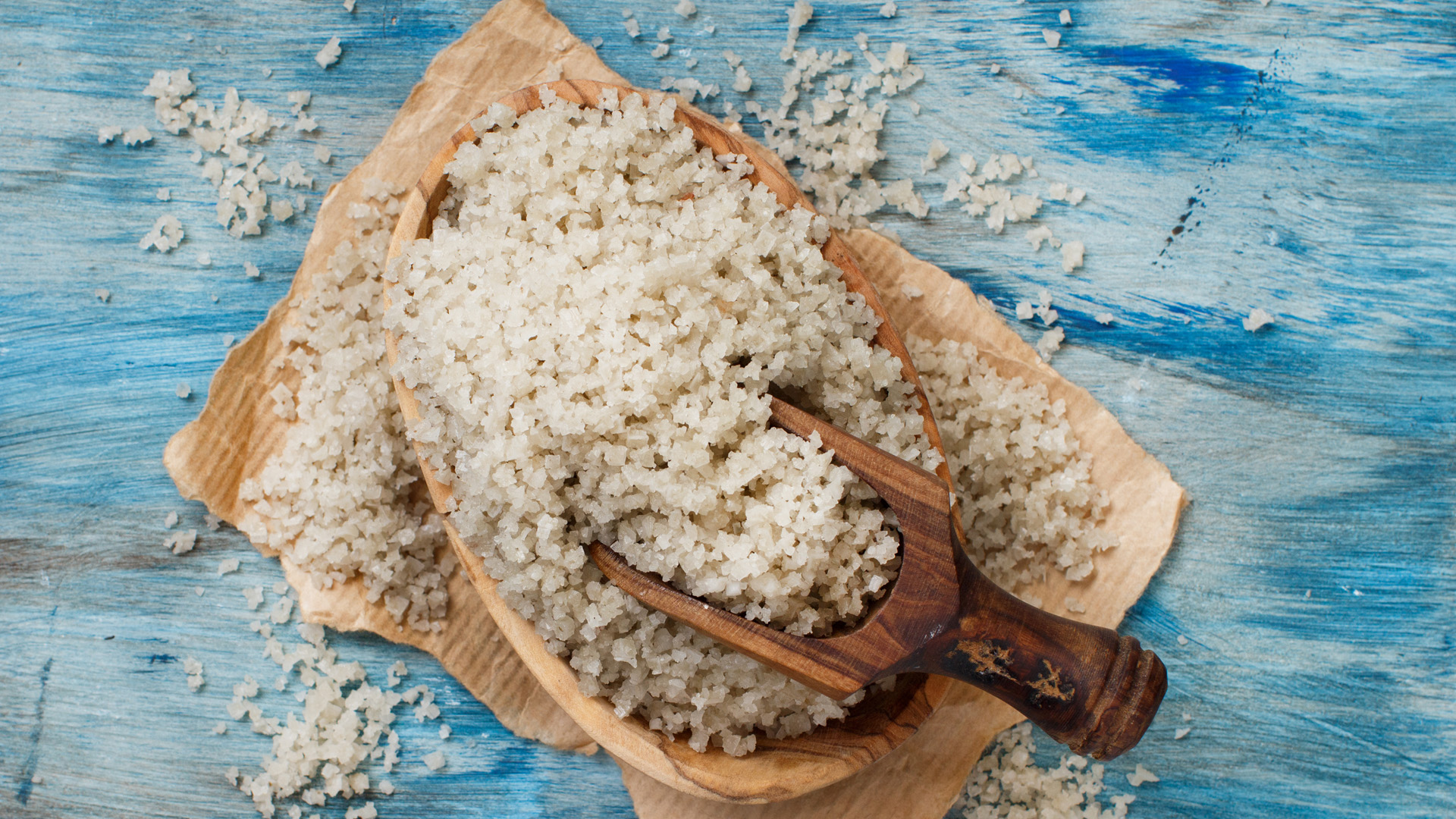
One of the biggest revelations I had early in my career was seeing the use of finishing salts while working at La Folie, a Michelin-starred restaurant in San Francisco. Up until that point, my experience with seasoning came mostly from home cooking, where food was often under-seasoned, and the salt shaker sat on the dinner table so people could adjust to their liking.
At La Folie, there were no salt shakers on the tables. Food at this level wasn’t just expected to be seasoned—it was expected to be perfectly seasoned by the chef before it ever left the kitchen. That concept completely changed how I thought about seasoning.
But here’s the thing: there’s a difference between baseline seasoning and finishing seasoning. If you season a dish perfectly with fully integrated salt, the flavor becomes smooth and even—but also a little predictable. It’s like a perfect 72-degree day, no clouds in sight, a light breeze, sun shining. Beautiful, right? But how many perfect days in a row can you have before they start to feel normal? At some point, you start craving contrast. A cool evening. A thunderstorm. Even a blizzard.
A perfectly seasoned dish that’s fully integrated is like that perfect day. The first few bites are great, but eventually, you reach boredom. Perfection becomes mundane.
That’s why the real strategy is to set a baseline seasoning with kosher salt—the workhorse of the kitchen. You sprinkle it on a steak before searing, you elevate the base of a soup, you incorporate it into a sauté. That ensures the dish isn’t flat.
Then, once the dish is plated, a sprinkle of finishing salt takes it to another level. This was something I had never seen before working in fine dining, and it completely changed how I understood seasoning. The first time I saw a chef reach for fleur de sel—a delicate, hand-harvested sea salt from France—and lightly scatter it over a finished dish, I didn’t really get it. Why add salt after the dish was already seasoned? But then I tasted it. Unlike table salt, which dissolves immediately into food, fleur de sel has an almost oceanic quality, thanks to the trace minerals left behind from its natural evaporation process. The crystals are slightly moist, so they don’t just disappear—they linger, giving little pops of salinity that dissolve slowly on the tongue.
Then there’s Maldon sea salt, which I saw being used to finish meats, roasted vegetables, even desserts. It’s completely different from fleur de sel—drier, crisper, with its signature pyramid-shaped flakes that add a delicate crunch. I remember tasting a slice of steak that had been seared to perfection, seasoned properly with kosher salt, and finished with a pinch of Maldon right before serving. The contrast was unreal. Some bites were deeply savory and rich, others had that extra snap of texture and a final burst of pure, clean salinity that made the entire experience more dynamic.
That’s the real magic of finishing salts. They don’t just season food, they enhance texture and create contrast. Because they don’t fully dissolve right away, each bite lands differently. Some feel like that perfect, cloudless day. Others, like the sudden relief of a cool breeze or the thrill of a summer thunderstorm. That interplay between integrated seasoning and finishing seasoning is what separates good food from truly exceptional food.
How to Know If You’ve Added Enough Salt
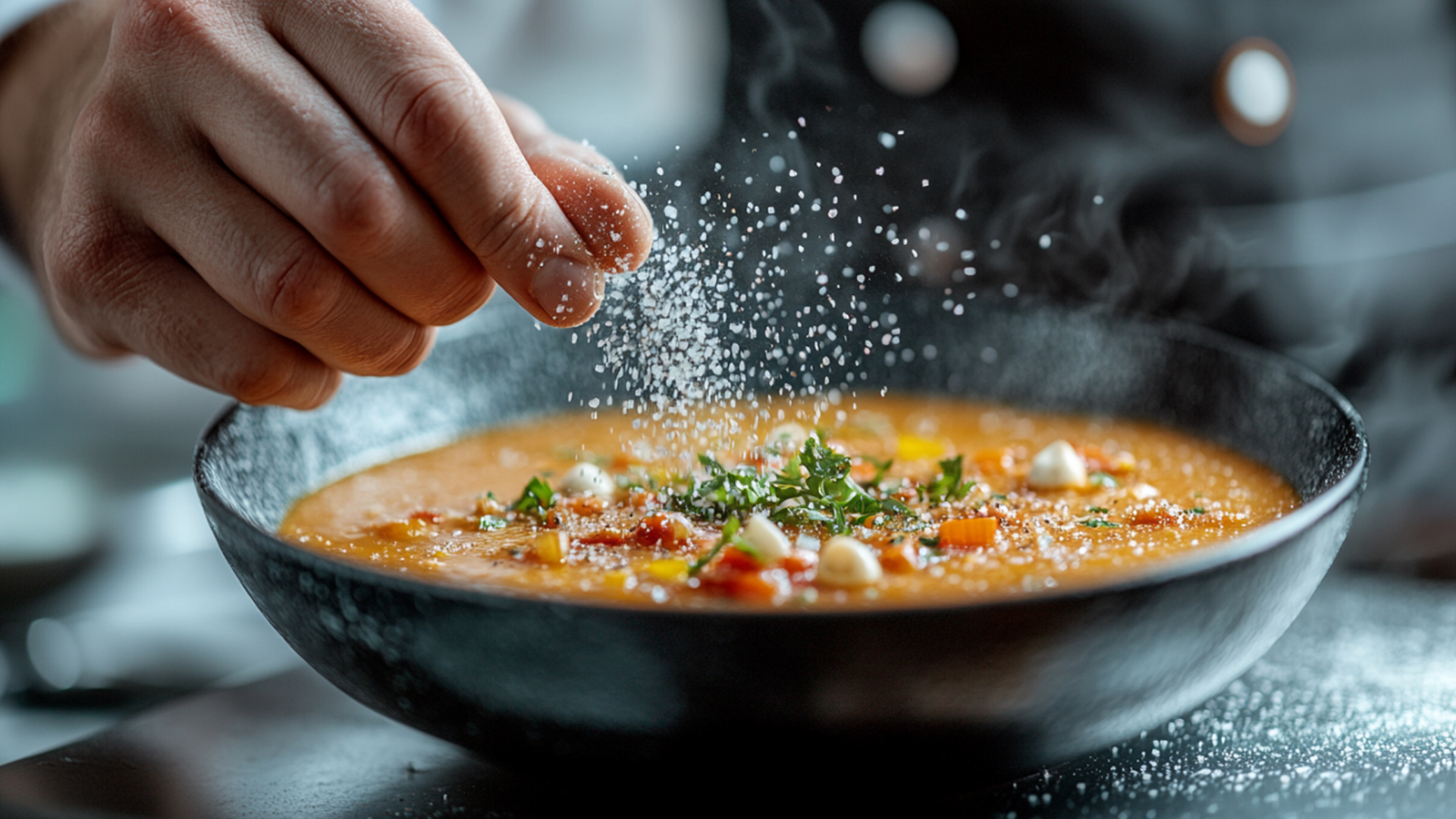
This is where a lot of people get stuck. They either under-season because they’re afraid of overdoing it, or they dump salt in blindly and hope for the best. Neither approach is ideal.
The best way to learn how much salt a dish needs is to push the limits. Start with a base amount, taste, and gradually add more. Keep going until the food is noticeably salty—then next time, pull back just slightly. The goal is to bring flavors up to their peak without tipping over into too salty.
And here’s the thing: not every dish needs the same amount of salt. Fat, for example, mutes flavors because it coats your palate. That’s why high-fat dishes often need a little more salt to cut through and keep everything balanced. That’s also why rich foods are often paired with acid, bitterness, or spice—these elements help counteract fat and keep flavors from feeling heavy.
If you’re seasoning a dish and it still tastes flat, ask yourself: does it need more salt, or does it need contrast? Sometimes a squeeze of lemon or a dash of vinegar will do more to bring out flavor than another pinch of salt.
Repetition: The Difference Between Home Cooks and Professional Chefs
This is probably the most important point, and what truly separates amateur cooks from professional chefs: repetition.
Anything you want to get good at requires reps. And, more importantly, it requires failure.
When cooking at home, failure feels like a zero-sum game. If you over-season your food or a new dish doesn’t turn out, you’ve ruined dinner. Now you have a bunch of hungry, irritable people staring at you while you scramble for an alternative. That pressure causes home cooks to play it safe, which means they never push their limits. And professional cooks aren’t immune to this either.
But here’s the difference: as someone who’s worked in professional kitchens for over 20 years, I’ve had the advantage of screwing up thousands of times. I once spent six months testing a pancake recipe, making micro-adjustments until it was exactly where I wanted it.
When I create a new dish for one of my restaurants, the first draft almost never makes it to the menu. And once it’s on the menu, it’s just “good enough” until I refine it over weeks or even months. These are dishes I’m prepping, cooking, and plating every single day.
So if you’re struggling to understand the line between perfectly seasoned and over-seasoned, the only way to find it is to actually over-season something, throw it away, and try again. The frustration of messing up will pay dividends over time.
Learning to Season Takes Practice
At the end of the day, seasoning isn’t about following an exact formula. It’s about balance. I give specific percentages in my curriculum because they’re a great starting point, but at some point, you have to trust your own palate. That’s the only way to truly understand seasoning instead of just following rules.
If you want to go even deeper into seasoning, balancing flavors, and building dishes from the ground up, check out my Culinary Boot Camp & F-STEP Curriculum. We break down the entire process so you can develop instinctive seasoning skills that make every dish taste its best.
For now, though, the best thing you can do is get in the kitchen and start tasting. Play with salt. Push the limits. Experiment. The more you do it, the more confident you’ll become—and before long, you’ll never second-guess your seasoning again.
FAQ: Mastering Seasoning & Salt in Cooking
Q: How do I know if I’m adding enough salt?
A: Taste as you go! Start with a small amount, gradually add more, and stop just before it tastes noticeably salty.
Q: What type of salt do chefs use for cooking?
A: Chefs primarily use kosher salt for general cooking and finishing salts like Maldon or fleur de sel for final touches.
Q: Why does my food taste bland even when I add salt?
A: Salt enhances flavor, but balance is key. If food still tastes flat, try adding acid (lemon, vinegar) or contrasting elements like bitterness or spice.
Q: Can I fix an over-salted dish?
A: Yes! Diluting with liquid, adding unsalted ingredients, or balancing with acid and sweetness can help reduce saltiness.
2 comments

I am trying to gain access to your bread lessons--especially sourdough--but it appears that all I can do is get on a waitlist!? A waitlist for an internet course? Why? I'm happy to pay the cost of the courses if only could make it work. PLEASE help.
FWIW, I originally saw these sourdough/bread lessons way back in time (2018-ish) courtesy of Amazing Ribs and Breadhead.
Thanks for your time.
Bill
This is getting frustrating. I found another way to join under the "community" banner. All goes well with entering my credit card info until I try to enter my zip code and no amount of trying will let me change the default entry of 1 2 3 4 5. Please help!